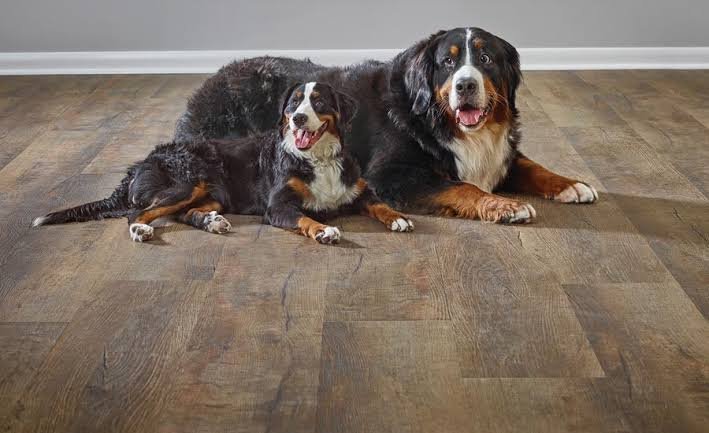
Anyone with a dog knows the specific anxiety of watching them skid across a shiny floor at full speed. Choosing the best flooring for pets isn’t just about looks anymore — it’s about scratch resistance, traction, and surviving the occasional accident without permanent damage.
I learned this after replacing hardwood in my own hallway twice because of my very enthusiastic Labrador.
What Makes Flooring Pet-Friendly
Quick answer: Pet-friendly flooring needs to resist scratches from claws, provide enough traction to prevent slipping, and handle moisture from accidents or spilled water bowls without warping or staining.
Not every “durable” flooring option checks all three boxes, so it’s worth being specific about what actually matters for your household.
1. Luxury Vinyl Plank (LVP)
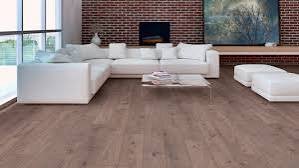
This has become the go-to recommendation for pet owners, and for good reason. It’s scratch-resistant, completely waterproof, and mimics the look of hardwood without the vulnerability.
- Handles claws and rough play without denting easily
- Waterproof core means accidents don’t cause warping
- More affordable than genuine hardwood, with similar aesthetics
2. Tile Flooring
Ceramic or porcelain tile is nearly indestructible against scratches and completely waterproof. The main downside is that it can feel cold and hard, which some pets (and owners) don’t love, especially in winter.
3. Engineered Hardwood
If you want genuine wood aesthetics but need more durability than solid hardwood offers, engineered hardwood with a hardened finish is a solid middle ground. It’s more scratch-resistant than traditional hardwood, though not as bulletproof as vinyl or tile.
4. Laminate Flooring
Modern laminate options have improved significantly in scratch resistance. It’s budget-friendly and holds up reasonably well against pet claws, though moisture resistance varies by brand and quality tier. [link to related hardwood vs laminate flooring guide here]
5. Flooring to Avoid With Pets
- Solid hardwood with a soft finish — scratches easily and shows wear quickly
- Carpet in high-traffic pet zones — traps odors, fur, and stains persistently
- Polished or glossy tile — can be genuinely dangerous for pets due to slipperiness
Traction Matters as Much as Durability
Quick answer: For pet safety, choose flooring with a matte or textured finish rather than high-gloss surfaces, since slippery floors increase the risk of joint injuries in dogs, especially larger or older breeds.
A scratch-resistant floor that’s also slippery isn’t actually pet-friendly — it just trades one problem for another.
Area-Specific Recommendations
- Entryways: tile or LVP, for easy cleanup of muddy paws
- Living rooms: LVP or engineered hardwood for comfort and durability balance
- Kitchens: tile or waterproof LVP, given the higher chance of spills
- Bedrooms: LVP with a rug for added comfort underfoot
Maintenance Tips for Pet-Friendly Floors
- Trim your pet’s nails regularly, regardless of flooring type — this alone reduces scratch risk significantly
- Wipe up accidents immediately, even on “waterproof” flooring, to avoid staining or lingering odor
- Use furniture pads under heavy pieces to prevent both floor damage and pet-related shifting
FAQs
Q: What’s the most scratch-resistant flooring for dogs? Luxury vinyl plank and tile are generally the most scratch-resistant options, holding up well even with large, active dogs.
Q: Is hardwood flooring a bad choice for pet owners? Not necessarily bad, but it requires more care — engineered hardwood with a hardened finish is a better compromise than traditional solid hardwood.
Q: Does carpet work with pets at all? It can work in low-traffic areas with proper cleaning, but it’s generally not recommended for main living spaces with active pets.
Q: How much does pet-friendly flooring typically cost? LVP ranges from ₹80-250 per square foot depending on quality, while tile ranges similarly based on material and finish.
Q: Can I install pet-friendly flooring myself? LVP is fairly DIY-friendly with click-lock installation, while tile typically requires professional installation for proper results.
Conclusion
Choosing the best flooring for pets means balancing durability, safety, and style — and thankfully, options like LVP and tile deliver on all three without forcing major compromises. Whatever you choose, pair it with regular nail trims and quick cleanup habits for the best long-term results.
Suggested Alt Text:
- “Dog lying on scratch-resistant luxury vinyl plank flooring”
- “Close-up of durable tile flooring in a pet-friendly home”
- “Matte-finish flooring providing traction for a large dog”