Blog

  • Open Concept vs. Traditional Layout: Which Design Suits You?

    Open Concept vs. Traditional Layout: Which Design Suits You?

    This debate has gone back and forth for years, and honestly, the pendulum keeps swinging depending on who you ask. The open concept vs traditional layout question isn’t about which is objectively better — it’s about which actually fits how you and your family live day to day.

    Understanding the Core Difference

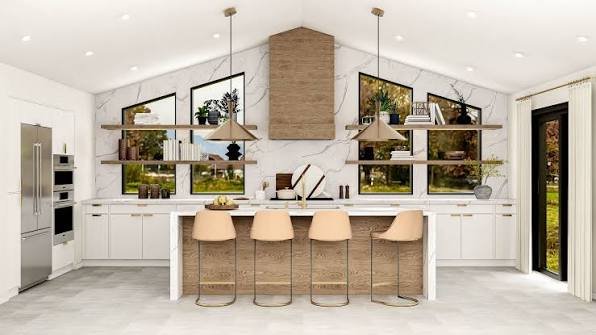
    Quick answer: Open concept layouts remove walls between key living spaces like the kitchen, dining, and living room to create one continuous area, while traditional layouts keep these spaces separated by walls and doors for distinct, private rooms.

    Both have genuine advantages depending on your lifestyle, family size, and how you actually use your home.

    1. Social Interaction and Flow

    Open concept layouts genuinely shine for households that value togetherness — you can cook dinner while chatting with family in the living room, or keep an eye on kids playing while prepping a meal. This constant visual and social connection is the biggest draw for open layouts.

    2. Privacy and Noise Control

    Traditional layouts win clearly here. Separate rooms mean separate activities don’t interfere with each other — someone can watch TV loudly while another person works quietly in a different room. Open concept spaces struggle with this kind of noise and activity separation.

    3. Natural Light Distribution

    • Open concept layouts allow light from windows to spread across a larger combined area
    • Traditional layouts can leave interior rooms feeling darker, especially those without direct window access
    • This is one of the strongest practical arguments in favor of open concept designs

    4. Cooking Odors and Mess

    I’ve noticed this is where a lot of open concept homeowners start having second thoughts. Cooking smells, especially from Indian cooking with strong spices, spread throughout the entire open space rather than staying contained to the kitchen. Traditional layouts with a separate kitchen genuinely handle this better.

    5. Furniture Arrangement Flexibility

    1. Open concept spaces need more thoughtful furniture arrangement since there are no walls to naturally define zones
    2. Traditional layouts have built-in structure, making furniture placement more straightforward
    3. Open layouts benefit significantly from area rugs and lighting to create visual separation between zones

    6. Resale Value Considerations

    Open concept has been a strong resale value driver over the past decade, particularly appealing to younger buyers and families. That said, this preference isn’t universal — some buyers, particularly those valuing more formal, separated living spaces, still prefer traditional layouts. [link to related home resale value guide here]

    7. Renovation and Structural Costs

    Converting a traditional layout to open concept usually means removing walls, which can be straightforward or genuinely expensive depending on whether those walls are load-bearing. Always get a structural engineer’s assessment before committing to this kind of renovation.

    8. Heating and Cooling Efficiency

    Quick answer: Traditional layouts generally offer better heating and cooling efficiency since individual rooms can be climate-controlled separately, while open concept spaces require conditioning one large volume of air, which can be less energy-efficient overall.

    This is a genuine practical consideration, especially in climates with extreme summer heat where cooling costs matter significantly.

    Which Layout Should You Choose?

    Picture a couple who works from home and needs quiet, separated spaces during the day — traditional layout genuinely serves them better. Compare that to a family who spends most evenings together cooking, eating, and relaxing in the same general area — open concept fits their actual daily rhythm far more naturally.

    A Middle-Ground Option

    Many newer homes are adopting a hybrid approach — open concept for the kitchen, dining, and living areas, while keeping bedrooms, home offices, and bathrooms as separate, traditional rooms. This gives you social flow where you want it and privacy where you need it.

    FAQs

    Q: Is open concept still popular in 2026? Yes, though the hybrid approach combining open social spaces with separate private rooms is gaining popularity over fully open layouts.

    Q: Does open concept increase home value more than traditional layouts? Generally yes in most markets, though this can vary based on regional buyer preferences and cultural factors.

    Q: How expensive is it to convert to an open concept layout? Costs vary widely depending on whether walls are load-bearing, ranging from ₹50,000 for simple non-structural walls to several lakhs for major structural work.

    Q: Which layout is better for cooking-heavy households? Traditional layouts, or a hybrid with a semi-enclosed kitchen, handle cooking odors and mess more effectively than fully open concepts.

    Q: Can I convert an open concept space back to a traditional layout? Yes, though adding walls back typically costs less than removing them, since it doesn’t usually involve structural engineering concerns.

    Conclusion

    The open concept vs traditional layout decision ultimately comes down to how your household actually lives, not just current design trends. Think honestly about your noise tolerance, cooking habits, and need for privacy before committing to either direction — or consider the hybrid approach that’s increasingly popular for good reason.

    Suggested Alt Text:

    1. “Open concept living room, kitchen, and dining area in one space”
    2. “Traditional home layout with separate defined rooms”
    3. “Hybrid home design combining open living areas with private rooms”
  • 2026 Home Design Trends You’ll See Everywhere This Year

    2026 Home Design Trends You’ll See Everywhere This Year

    Design trends move fast, and honestly, not all of them are worth chasing. But some of the 2026 home design trends genuinely reflect how people are living differently — more time at home, more focus on comfort, a shift away from overly minimal, sterile spaces.

    Here’s what’s actually showing up in real homes this year, not just design magazine spreads.

    What’s Driving 2026 Home Design Trends

    Quick answer: 2026 home design trends are largely driven by a shift toward warmth and comfort over strict minimalism, increased demand for multi-functional spaces due to hybrid work, and growing interest in sustainable, natural materials.

    People want their homes to feel lived-in and personal again, not like a showroom.

    1. Warm Minimalism

    Pure, stark minimalism is softening into something warmer — still clean and uncluttered, but with texture, warm wood tones, and softer color palettes replacing the cold, all-white aesthetic that dominated for years.

    2. Curved Furniture and Architecture

    Sharp, angular lines are giving way to curved sofas, rounded arches, and organic shapes throughout homes. It’s a noticeable shift that adds softness and visual interest to otherwise simple rooms.

    3. Earthy, Nature-Inspired Color Palettes

    • Terracotta and warm clay tones for accent walls and decor
    • Sage and olive greens replacing the cooler, grayer greens of recent years
    • Warm neutrals like caramel and butter yellow adding subtle color without overwhelming a space

    4. Multi-Functional Rooms

    With hybrid work now firmly normalized, homes need spaces that flex between work, rest, and social use. A guest room that doubles as a home office, or a living room with a discreet work nook, reflects this practical shift in 2026 home design trends.

    5. Sustainable and Natural Materials

    1. Reclaimed wood furniture and flooring
    2. Natural fiber rugs like jute and sisal
    3. Low-VOC and eco-friendly paint options becoming mainstream, not niche

    6. Statement Lighting

    Lighting has moved beyond purely functional into genuine design statement territory — sculptural pendant lights, oversized fixtures, and layered lighting setups are showing up even in modest-budget homes.

    7. Vintage and Antique Mixing

    Rather than fully furnishing with new pieces, more homeowners are mixing in vintage or antique finds for character. It’s a reaction against the overly matched, catalog-perfect look of previous years.

    8. Biophilic Design Elements

    Quick answer: Biophilic design incorporates natural elements — plants, natural light, organic materials, and views of greenery — into home interiors, based on research showing these elements genuinely improve mood and reduce stress.

    Expect to see more indoor plants, larger windows where structurally possible, and materials that mimic or incorporate natural textures throughout 2026 homes.

    9. Textured Walls

    Plain flat paint is being complemented (not fully replaced) by textured wall treatments — limewash finishes, textured plaster, and grasscloth wallpaper adding depth without needing bold color.

    Trends Fading Out in 2026

    I’ve noticed a few things losing steam this year, worth mentioning for contrast:

    • All-white, sterile minimalist kitchens are softening into warmer tones
    • Overly matched furniture sets are giving way to more curated, mixed pieces
    • Cold gray-dominated palettes are shifting toward warmer neutrals across the board

    FAQs

    Q: Are 2026 home design trends expensive to follow? Not necessarily — many trends like warm minimalism and vintage mixing can be achieved with existing furniture and small, strategic additions.

    Q: Is minimalism completely out of style in 2026? No, it’s evolving rather than disappearing — warm minimalism keeps the clean, uncluttered feel but adds texture and warmth.

    Q: What color is trending most in 2026 home design? Earthy, warm tones like terracotta, sage green, and warm neutrals are dominating over the cooler grays of recent years.

    Q: Should I fully redecorate to match current trends? Not recommended — incorporate trend elements gradually through accents and smaller pieces rather than a full overhaul.

    Q: How long do interior design trends typically last? Major trends usually influence homes for 3-5 years before evolving, though some elements become lasting design staples.

    Conclusion

    These 2026 home design trends reflect a broader shift toward comfort, warmth, and personal character over sterile perfection. You don’t need to overhaul your entire home to embrace them — a few thoughtful updates in color, texture, or furniture can bring your space right up to date.

    Suggested Alt Text:

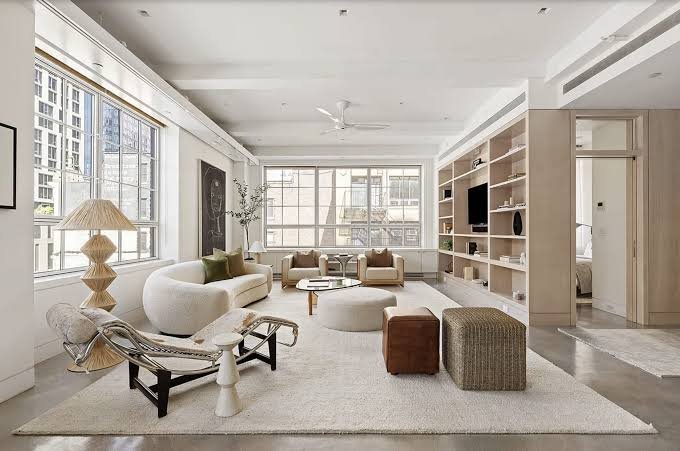
    1. “Warm minimalist living room with curved sofa and earthy tones”
    2. “Sculptural statement pendant light over a dining table”
    3. “Living room featuring natural materials and biophilic design elements”
  • How to Decorate on a Budget Without Sacrificing Style

    How to Decorate on a Budget Without Sacrificing Style

    There’s a persistent myth that good design requires a big budget. It doesn’t. I’ve seen beautifully decorated homes furnished almost entirely from thrift finds and clever DIY projects. Learning how to decorate on a budget is really about prioritizing where to spend and where to get creative instead.

    The Mindset Shift Behind Budget Decorating

    Quick answer: Successful budget decorating focuses spending on a few high-impact items — like a statement piece or good lighting — while filling the rest of the space with affordable, thrifted, or DIY elements that still feel cohesive.

    You don’t need everything to be expensive. You need everything to look intentional.

    1. Start With a Cohesive Color Palette

    Before buying anything, settle on 2-3 main colors for the space. This single decision instantly makes even mismatched, budget-friendly furniture look pulled-together rather than random.

    2. Shop Secondhand and Thrift

    • Local thrift stores and online marketplaces often have quality furniture at a fraction of retail price
    • Look for solid wood pieces that just need a fresh coat of paint or new hardware
    • Estate sales and garage sales can be genuine goldmines for unique, character-filled pieces

    3. Prioritize a Few Statement Pieces

    Instead of spreading your budget thin across everything, put more money into one or two pieces that genuinely make an impact — a great sofa, a striking light fixture, an interesting rug — and keep everything else simple and affordable.

    4. DIY Where It Makes Sense

    1. Repainting old furniture instead of replacing it
    2. Making your own art with canvas and paint, or simple framed prints
    3. Reupholstering a chair yourself with fabric from a local market

    5. Use What You Already Have Differently

    Has this ever happened to you — you buy something new, only to realize you already owned something similar that just needed repositioning? Before shopping, walk through your home and see what could be repurposed or moved to a new spot for a fresh look.

    6. Invest in Good Lighting

    Lighting genuinely transforms a space more than people realize, and it doesn’t have to be expensive. Swapping harsh overhead bulbs for warm-toned lamps instantly makes a budget room feel cozier and more considered.

    7. Add Greenery

    Plants are one of the most affordable ways to add life and color to a room. Even budget-friendly options like pothos or snake plants make a noticeable difference, and they’re genuinely hard to kill if you’re not naturally green-thumbed.

    8. Mix High and Low

    Quick answer: The most effective way to decorate on a budget while still looking stylish is mixing a few higher-quality investment pieces with affordable basics — the eye is drawn to quality, not price tags, when the overall composition feels intentional.

    Nobody can tell that your side table cost ₹500 if it’s sitting next to a nice lamp and styled thoughtfully.

    9. Don’t Rush the Process

    Budget decorating often works best over time rather than all at once. Buying pieces gradually, as you find good deals, usually results in a more curated, personal space than furnishing everything in a single rushed shopping trip.

    FAQs

    Q: What’s the cheapest way to instantly update a room? New throw pillows, a fresh coat of paint on one accent wall, or rearranging existing furniture — all essentially free or very low-cost changes.

    Q: Is thrifted furniture actually good quality? Often surprisingly so — older secondhand furniture is frequently made from solid wood, which tends to be sturdier than some budget new furniture options.

    Q: How much should I budget to decorate a room? This varies widely, but a reasonable starting budget for a full room refresh using these tips is ₹15,000-40,000, depending on room size and existing furniture.

    Q: Should I buy cheap furniture or save for quality pieces? A mix works best — save for a few key pieces you’ll use daily (like a sofa), and go budget on items that see less wear or get replaced more often.

    Q: Does decorating on a budget take more time than just buying everything new? Generally yes, since thrifting and DIY projects take patience, but the result often feels more personal and unique than an instantly furnished, all-new room.

    Conclusion

    Knowing how to decorate on a budget really comes down to strategic spending and a willingness to get a little creative. Start with a clear color palette, invest in one or two statement pieces, and fill in the rest thoughtfully — your home will look far more expensive than it actually was.

    Suggested Alt Text:

    1. “Budget-friendly living room decorated with thrifted furniture”
    2. “Repainted secondhand chair as a DIY decorating project”
    3. “Cozy room styled with warm lighting and affordable decor accents”
  • Small Space Decorating Ideas That Make Rooms Look Bigger

    Small Space Decorating Ideas That Make Rooms Look Bigger

    Small apartments get a bad reputation they don’t always deserve. With the right approach, a compact room can feel open and intentional rather than cramped. These small space decorating ideas come from actually living in a fairly tiny apartment for three years — not just theory from a design blog.

    The Core Principle Behind Small Space Decorating

    Quick answer: Small space decorating relies on maximizing perceived openness through light colors, multi-functional furniture, strategic mirrors, and vertical storage — creating visual breathing room even when actual square footage is limited.

    It’s less about fitting less stuff in, and more about being intentional with what you do include.

    1. Use Light, Reflective Colors

    Light wall colors — soft whites, pale grays, gentle pastels — bounce light around a room and make it feel more open. Dark colors aren’t off-limits entirely, but they work better as accents than dominant wall colors in small spaces.

    2. Multi-Functional Furniture

    • Storage ottomans that double as seating and hidden storage
    • Sofa beds for spaces that need to serve as both living room and guest room
    • Extendable dining tables that expand only when needed

    3. Mirrors, Strategically Placed

    This is probably the single most effective trick on this list of small space decorating ideas. A large mirror positioned to reflect natural light or an interesting view can genuinely make a room feel twice its actual size.

    4. Vertical Storage Solutions

    1. Floor-to-ceiling shelving draws the eye upward, making ceilings feel higher
    2. Wall-mounted cabinets keep floor space clear and open
    3. Hanging organizers in closets maximize vertical space that’s often wasted

    5. Choose Furniture With Visible Legs

    Furniture that sits flush to the floor blocks sightlines and makes a room feel more cluttered. Pieces with exposed legs let light and visual space flow underneath, creating an airier feel even with the same amount of furniture.

    6. Limit Furniture to Essentials

    Has this ever happened to you — you keep adding “just one more” small side table or chair until the room feels stuffed? In small spaces, every piece needs to earn its spot. Fewer, well-chosen pieces almost always look better than a room packed with mismatched furniture.

    7. Use Curtains to Create Height Illusion

    Hanging curtains close to the ceiling, rather than right above the window frame, tricks the eye into perceiving taller walls and a bigger room overall. It’s a small change that makes a surprisingly noticeable difference.

    8. Create Zones Without Walls

    Quick answer: In studio or open-plan small spaces, use area rugs, furniture arrangement, and lighting to visually separate zones like sleeping, working, and living areas without needing physical walls or dividers.

    Rugs are particularly effective here — a different rug under the sofa versus under the dining table clearly signals different “zones” even in one open room.

    9. Declutter Ruthlessly

    Small spaces show clutter far more obviously than large ones. Regular decluttering isn’t just about tidiness — it directly affects how spacious a small room actually feels day to day. [link to related deep cleaning checklist here]

    FAQs

    Q: Do dark colors always make small rooms look smaller? Not necessarily — used thoughtfully as an accent or with good lighting, dark colors can add depth without shrinking the perceived space.

    Q: What’s the biggest small space decorating mistake? Overcrowding with too much furniture, often out of a desire to fill every corner rather than leaving intentional breathing room.

    Q: Are area rugs necessary in small spaces? They’re helpful for zoning open spaces and adding warmth, though choosing an appropriately sized rug matters more than in larger rooms.

    Q: How do mirrors actually make rooms feel bigger? They reflect light and views, creating a visual illusion of depth and openness that genuinely changes how spacious a room feels.

    Q: Should small spaces avoid patterns and bold prints? Not entirely — a few well-placed bold accents can add personality without overwhelming, as long as the overall palette stays cohesive.

    Conclusion

    These small space decorating ideas prove that square footage isn’t the only thing that determines how a room feels. Thoughtful color choices, smart furniture, and a few well-placed mirrors can make even a genuinely tiny room feel open and welcoming.

    Suggested Alt Text:

    1. “Small living room with light-colored walls and multi-functional furniture”
    2. “Large mirror reflecting natural light in a compact apartment”
    3. “Floor-to-ceiling shelving maximizing vertical storage in a small room”
  • Interior vs. Exterior Paint: What’s the Difference and Why It Matters

    Interior vs. Exterior Paint: What’s the Difference and Why It Matters

    I once watched a neighbor try to save money by using leftover interior paint on an exterior wall. Within a year, it was peeling and faded badly. The interior vs exterior paint difference isn’t just marketing — it’s genuinely about chemistry and durability suited to very different conditions.

    Why Interior and Exterior Paint Aren’t Interchangeable

    Quick answer: Interior and exterior paint use different resins and additives — exterior paint is formulated to resist UV rays, temperature swings, and moisture, while interior paint prioritizes low odor, washability, and a smoother finish for indoor conditions.

    Using one in place of the other might look fine initially, but the long-term results tell a different story.

    1. Exposure to Weather Conditions

    Exterior paint has to survive rain, direct sunlight, temperature fluctuations, and pollution. It contains additives specifically designed to resist UV degradation and moisture penetration — things interior paint simply doesn’t need to handle.

    2. Flexibility and Expansion

    • Exterior surfaces expand and contract with temperature changes throughout the day and across seasons
    • Exterior paint is formulated with more flexible resins to handle this movement without cracking
    • Interior paint, applied outside, cracks and peels much faster because it lacks this flexibility

    3. VOC Levels and Odor

    Interior paints are generally formulated with lower VOC (volatile organic compound) levels since they’re used in enclosed, occupied spaces. Exterior paints can have higher VOC content since they’re used outdoors with natural ventilation, though low-VOC exterior options exist too.

    4. Finish and Washability

    Interior paint is designed for a smoother, more washable finish, since indoor walls get touched, bumped, and occasionally need spot-cleaning. Exterior paint prioritizes weather resistance over this kind of washability.

    5. Mold and Mildew Resistance

    Quick answer: Exterior paint typically contains stronger mold and mildew-resistant additives than interior paint, since outdoor surfaces face constant exposure to moisture, humidity, and organic growth conditions that indoor walls rarely encounter.

    This matters especially in humid climates or homes near coastal areas, where exterior surfaces face near-constant moisture exposure.

    Can You Use Exterior Paint Indoors?

    Technically possible, but not recommended. Exterior paint often has higher VOC levels unsuitable for enclosed spaces, and the finish tends to be less smooth than what most people want for interior walls.

    1. Higher VOC content can cause stronger, longer-lasting odors indoors
    2. Finish often looks rougher than dedicated interior paint
    3. No real benefit — you’re paying for weather-resistance properties you don’t need indoors

    Can You Use Interior Paint Outdoors?

    This is the more common (and more damaging) mistake. Interior paint used outdoors will fade, crack, and peel significantly faster because it lacks UV protection and flexible resins needed to handle weather exposure.

    Choosing the Right Type for Specific Areas

    • Covered porches or semi-outdoor spaces: exterior paint is still the safer choice due to humidity and temperature exposure
    • Garages: interior paint generally works fine since they’re enclosed, though exterior-grade paint offers extra durability if the garage isn’t fully sealed
    • Basements: interior paint with moisture-resistant additives, given below-ground humidity concerns

    Cost Differences

    Exterior paint typically costs slightly more per liter than interior paint due to the additional weather-resistant additives and UV protection built into the formula. That said, it’s not worth cutting corners here — the cost difference is minor compared to the cost of repainting prematurely.

    FAQs

    Q: What happens if I use interior paint outside? It will fade, crack, and peel significantly faster than proper exterior paint, usually within a year or two depending on weather exposure.

    Q: Is exterior paint safe to use indoors? It’s usable but not ideal due to higher VOC content and a less smooth finish compared to interior-specific paint.

    Q: Does exterior paint last longer than interior paint? In its intended outdoor environment, yes — but that’s because it’s specifically formulated for those harsher conditions.

    Q: Can I mix interior and exterior paint? No, this isn’t recommended. Mixing can compromise the specific properties each type is formulated to provide.

    Q: How often should exterior paint be reapplied? Typically every 5-10 years, depending on climate exposure, sun intensity, and paint quality used.

    Conclusion

    The interior vs exterior paint distinction genuinely matters for durability and appearance over time. Using the right type for the right surface saves you money and repainting headaches down the line — a lesson my neighbor learned the hard way.

    Suggested Alt Text:

    1. “Exterior house wall being painted with weather-resistant paint”
    2. “Interior living room wall freshly painted with low-VOC paint”
    3. “Peeling exterior paint showing signs of wrong paint type used”
  • How to Choose the Right Paint Colors for Every Room

    How to Choose the Right Paint Colors for Every Room

    Standing in the paint aisle staring at a hundred shades of “off-white” is a specific kind of overwhelming. Knowing how to choose paint colors properly saves you from the classic mistake of loving a color on a tiny swatch, then hating it once it covers an entire wall.

    I’ve repainted a room three times because of this exact issue, so trust me, a little planning upfront goes a long way.

    The Basics of Choosing Paint Colors

    Quick answer: To choose paint colors effectively, consider the room’s natural lighting, existing furniture and flooring tones, the mood you want to create, and always test a sample on the actual wall before committing to a full room.

    Colors look drastically different depending on lighting, room size, and what’s already in the space.

    1. Consider the Room’s Purpose

    Different rooms benefit from different color psychology. Bedrooms generally work better with calming tones — soft blues, gentle greens, warm neutrals. Living rooms and kitchens can handle bolder, more energetic colors since they’re social spaces.

    2. Test Colors Before Committing

    • Buy small sample pots before purchasing full cans
    • Paint a swatch at least 2×2 feet on the actual wall, not just a poster board
    • Check the color at different times of day — morning light, afternoon, evening artificial light all change how it looks

    3. Factor in Natural Light

    Rooms facing north tend to get cooler, softer light, which can make colors appear slightly duller or cooler-toned. South-facing rooms get warmer, brighter light throughout the day, making colors appear more vibrant than they might in the store.

    4. Coordinate With Existing Elements

    1. Flooring tone — warm wood floors pair well with warm wall colors, and vice versa
    2. Furniture and upholstery colors already in the room
    3. Fixed elements like countertops, tile, or built-in cabinetry that won’t change

    5. Understand the 60-30-10 Rule

    This is a classic interior design guideline that genuinely works. Use your main color for 60% of the room (usually walls), a secondary color for 30% (furniture, curtains), and an accent color for the remaining 10% (accessories, art, pillows).

    6. Room-by-Room Recommendations

    Quick answer: Bedrooms suit calming blues and soft neutrals, living rooms work well with warm earth tones or greens, kitchens benefit from crisp whites or energizing yellows, and bathrooms often look best in cool blues or clean whites that feel fresh.

    • Bedroom: soft blue, sage green, warm gray
    • Living Room: warm taupe, terracotta, deep green
    • Kitchen: crisp white, soft yellow, light gray
    • Bathroom: cool blue, clean white, soft lavender

    7. Consider the Whole-Home Flow

    If your home has an open floor plan, jarring color transitions between connected rooms can feel disjointed. Choose colors that flow naturally from one space into the next, even if they’re not identical.

    8. Don’t Ignore the Ceiling and Trim

    A stark white ceiling works in most cases, but for rooms with lower ceilings, a slightly softer white or even a very pale version of the wall color can make the space feel taller and more cohesive.

    Common Mistakes When Choosing Paint Colors

    I’ve noticed people often pick colors purely off Pinterest inspiration photos without considering their own room’s lighting and size. What works beautifully in someone else’s sunlit, high-ceiling living room might feel completely different in your own space.

    • Choosing colors based solely on trends, not your actual room conditions
    • Skipping the sample-testing step to save time (this backfires more often than not)
    • Forgetting to account for how the color will look under your specific lighting fixtures

    FAQs

    Q: Should I paint my whole house one color? Not necessarily — using a cohesive palette with variations works better than a single uniform color throughout, especially in homes with distinct room functions.

    Q: How do I choose paint colors for a small room? Lighter, cooler tones generally make small rooms feel more open, though a bold accent wall can also add depth without overwhelming the space.

    Q: What paint finish should I use for different rooms? Matte or eggshell for bedrooms and living rooms, semi-gloss for kitchens and bathrooms where moisture and cleaning matter more.

    Q: How many paint samples should I test before deciding? Test 2-3 finalist colors directly on your wall before making a final decision — don’t rely on the paint chip alone.

    Q: Do darker paint colors make rooms feel smaller? Not always — darker colors can actually add coziness and depth when paired with good lighting and contrasting trim.

    Conclusion

    Learning how to choose paint colors really comes down to testing, patience, and paying attention to your specific room’s lighting and existing elements. Don’t rush this step — a wrong color choice is an expensive and time-consuming mistake to fix later.

    Suggested Alt Text:

    1. “Paint color swatches tested on a living room wall”
    2. “Person selecting paint samples at a hardware store”
    3. “Freshly painted bedroom in a calming sage green tone”
  • Hardwood vs. Laminate Flooring: Pros, Cons, and Costs

    Hardwood vs. Laminate Flooring: Pros, Cons, and Costs

    This comparison comes up constantly, and honestly, there’s no universally “right” answer — just the right answer for your specific budget and lifestyle. The hardwood vs laminate flooring decision usually comes down to three things: how much you want to spend, how long you’ll live in the home, and how much wear and tear your household generates.

    Hardwood vs Laminate Flooring: Quick Comparison

    Quick answer: Hardwood flooring offers superior longevity, resale value, and the ability to be refinished multiple times, while laminate flooring costs significantly less upfront, resists scratches better, and installs faster — making it a practical choice for budget-conscious or high-traffic homes.

    Neither option is a bad choice. It’s about matching the material to your actual needs.

    1. Cost Comparison

    • Hardwood: ₹300-800+ per square foot depending on wood species and finish
    • Laminate: ₹80-200 per square foot for most quality options

    This price gap is significant, especially for larger homes, and it’s usually the deciding factor for many buyers right from the start.

    2. Durability and Lifespan

    Hardwood, properly maintained, can last 50-100 years and can be sanded and refinished multiple times over its life. Laminate typically lasts 15-25 years and can’t be refinished — once the top layer wears through, replacement is the only option.

    3. Scratch and Moisture Resistance

    Here’s where laminate actually has an edge. Modern laminate flooring resists scratches from pets and heavy foot traffic better than solid hardwood. However, laminate isn’t fully waterproof in most cases, while hardwood, though more prone to scratching, tolerates minor moisture better if sealed properly.

    4. Installation

    1. Laminate: click-lock systems make DIY installation genuinely achievable for most homeowners
    2. Hardwood: typically requires professional installation, especially for solid (not engineered) hardwood
    3. Laminate installs noticeably faster — often half the time of a comparable hardwood project

    5. Resale Value Impact

    I’ve noticed real estate agents consistently mention hardwood flooring as a stronger selling point than laminate. Buyers perceive hardwood as a premium, long-term investment, which often translates to a better resale value impact. [link to related increase home resale value guide here]

    6. Maintenance Requirements

    • Hardwood: needs periodic refinishing, careful cleaning with wood-safe products, and protection from excess moisture
    • Laminate: low-maintenance, generally just needs regular sweeping and occasional damp mopping

    7. Environmental Considerations

    Hardwood, sourced responsibly, is a natural, biodegradable material, though it does involve tree harvesting. Laminate is manufactured from composite wood materials and synthetic layers, which raises different environmental considerations depending on the specific brand and production process.

    Which Should You Choose?

    Quick answer: Choose hardwood if you’re staying long-term, want maximum resale value, and can afford the upfront investment; choose laminate if you need a budget-friendly, durable, and quick-to-install option, especially for rental properties or high-traffic households.

    Picture a young family with two kids and a dog — laminate’s scratch resistance and lower cost make practical sense for the next several years. Compare that to someone renovating their forever home, where hardwood’s longevity and resale appeal justify the higher spend.

    A Middle-Ground Option: Engineered Hardwood

    Worth mentioning — engineered hardwood offers a real wood surface layer over a more stable core, giving you genuine hardwood aesthetics with better moisture resistance than solid hardwood, at a price point between laminate and full solid hardwood.

    FAQs

    Q: Can laminate flooring look as good as real hardwood? Modern laminate has improved significantly and can look quite convincing, though close inspection usually reveals the difference, especially in texture.

    Q: Does hardwood flooring increase home value more than laminate? Generally yes, hardwood is perceived as a premium material and typically adds more resale value than laminate.

    Q: Is laminate flooring waterproof? Most laminate isn’t fully waterproof, though some premium water-resistant laminate options exist — always check specific product ratings.

    Q: How often does hardwood flooring need refinishing? Roughly every 7-10 years for high-traffic areas, though this varies based on wear and the specific finish used.

    Q: Is laminate flooring a good choice for kitchens? It’s workable, but tile or vinyl generally handle kitchen moisture and spills better than laminate over the long term.

    Conclusion

    The hardwood vs laminate flooring decision really depends on your timeline and budget more than which material is objectively “better.” Both have genuine strengths — weigh your priorities honestly, and you’ll land on the right choice for your specific home and lifestyle.

    Suggested Alt Text:

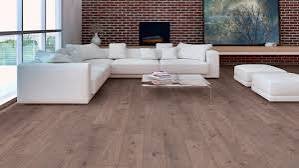
    1. “Genuine hardwood flooring with natural wood grain texture”
    2. “Laminate flooring installation using click-lock planks”
    3. “Side-by-side comparison of hardwood and laminate flooring samples”
  • Best Flooring Options for High-Traffic Homes with Pets

    Best Flooring Options for High-Traffic Homes with Pets

    Anyone with a dog knows the specific anxiety of watching them skid across a shiny floor at full speed. Choosing the best flooring for pets isn’t just about looks anymore — it’s about scratch resistance, traction, and surviving the occasional accident without permanent damage.

    I learned this after replacing hardwood in my own hallway twice because of my very enthusiastic Labrador.

    What Makes Flooring Pet-Friendly

    Quick answer: Pet-friendly flooring needs to resist scratches from claws, provide enough traction to prevent slipping, and handle moisture from accidents or spilled water bowls without warping or staining.

    Not every “durable” flooring option checks all three boxes, so it’s worth being specific about what actually matters for your household.

    1. Luxury Vinyl Plank (LVP)

    This has become the go-to recommendation for pet owners, and for good reason. It’s scratch-resistant, completely waterproof, and mimics the look of hardwood without the vulnerability.

    • Handles claws and rough play without denting easily
    • Waterproof core means accidents don’t cause warping
    • More affordable than genuine hardwood, with similar aesthetics

    2. Tile Flooring

    Ceramic or porcelain tile is nearly indestructible against scratches and completely waterproof. The main downside is that it can feel cold and hard, which some pets (and owners) don’t love, especially in winter.

    3. Engineered Hardwood

    If you want genuine wood aesthetics but need more durability than solid hardwood offers, engineered hardwood with a hardened finish is a solid middle ground. It’s more scratch-resistant than traditional hardwood, though not as bulletproof as vinyl or tile.

    4. Laminate Flooring

    Modern laminate options have improved significantly in scratch resistance. It’s budget-friendly and holds up reasonably well against pet claws, though moisture resistance varies by brand and quality tier. [link to related hardwood vs laminate flooring guide here]

    5. Flooring to Avoid With Pets

    1. Solid hardwood with a soft finish — scratches easily and shows wear quickly
    2. Carpet in high-traffic pet zones — traps odors, fur, and stains persistently
    3. Polished or glossy tile — can be genuinely dangerous for pets due to slipperiness

    Traction Matters as Much as Durability

    Quick answer: For pet safety, choose flooring with a matte or textured finish rather than high-gloss surfaces, since slippery floors increase the risk of joint injuries in dogs, especially larger or older breeds.

    A scratch-resistant floor that’s also slippery isn’t actually pet-friendly — it just trades one problem for another.

    Area-Specific Recommendations

    • Entryways: tile or LVP, for easy cleanup of muddy paws
    • Living rooms: LVP or engineered hardwood for comfort and durability balance
    • Kitchens: tile or waterproof LVP, given the higher chance of spills
    • Bedrooms: LVP with a rug for added comfort underfoot

    Maintenance Tips for Pet-Friendly Floors

    • Trim your pet’s nails regularly, regardless of flooring type — this alone reduces scratch risk significantly
    • Wipe up accidents immediately, even on “waterproof” flooring, to avoid staining or lingering odor
    • Use furniture pads under heavy pieces to prevent both floor damage and pet-related shifting

    FAQs

    Q: What’s the most scratch-resistant flooring for dogs? Luxury vinyl plank and tile are generally the most scratch-resistant options, holding up well even with large, active dogs.

    Q: Is hardwood flooring a bad choice for pet owners? Not necessarily bad, but it requires more care — engineered hardwood with a hardened finish is a better compromise than traditional solid hardwood.

    Q: Does carpet work with pets at all? It can work in low-traffic areas with proper cleaning, but it’s generally not recommended for main living spaces with active pets.

    Q: How much does pet-friendly flooring typically cost? LVP ranges from ₹80-250 per square foot depending on quality, while tile ranges similarly based on material and finish.

    Q: Can I install pet-friendly flooring myself? LVP is fairly DIY-friendly with click-lock installation, while tile typically requires professional installation for proper results.

    Conclusion

    Choosing the best flooring for pets means balancing durability, safety, and style — and thankfully, options like LVP and tile deliver on all three without forcing major compromises. Whatever you choose, pair it with regular nail trims and quick cleanup habits for the best long-term results.

    Suggested Alt Text:

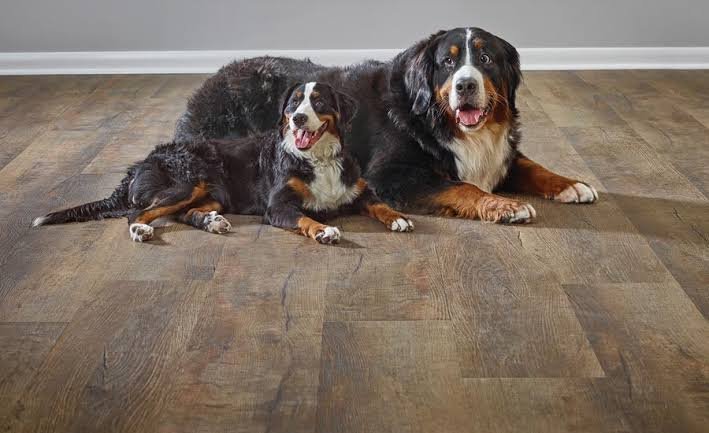
    1. “Dog lying on scratch-resistant luxury vinyl plank flooring”
    2. “Close-up of durable tile flooring in a pet-friendly home”
    3. “Matte-finish flooring providing traction for a large dog”
  • Metal vs. Asphalt Shingle Roofing: Which Is Better?

    Metal vs. Asphalt Shingle Roofing: Which Is Better?

    This is one of those decisions people agonize over way more than they need to, and I get why — a roof is a long-term commitment, both financially and literally over your head. The metal vs asphalt roofing debate really comes down to your budget, climate, and how long you plan to stay in the home.

    Quick Overview: Metal vs Asphalt Roofing

    Quick answer: Metal roofing costs more upfront but lasts 2-3 times longer than asphalt shingles, handles extreme weather better, and requires less maintenance — while asphalt shingles remain the more budget-friendly, widely available choice for most homeowners.

    Neither option is objectively “better” — it depends entirely on your priorities.

    1. Upfront Cost

    Asphalt shingles are significantly cheaper to install, typically costing 40-60% less than metal roofing for the same square footage. If budget is your primary concern, asphalt wins this round easily.

    2. Lifespan

    • Asphalt shingles: 20-25 years average lifespan
    • Metal roofing: 40-70 years depending on the specific type

    This is where metal roofing’s higher upfront cost starts making more financial sense over the long term, especially if you’re planning to stay in the home for decades.

    3. Weather Resistance

    I’ve noticed homes in areas with heavy monsoon rain or hailstorms genuinely benefit from metal roofing’s durability. It handles heavy rain, hail, and high winds noticeably better than asphalt shingles, which can crack or lift under severe weather stress.

    4. Energy Efficiency

    Metal roofs reflect solar heat more effectively than asphalt, which can lower cooling costs during hot Indian summers. Some metal roofing options even come with reflective coatings specifically designed to reduce heat absorption further.

    5. Maintenance Requirements

    1. Asphalt shingles: periodic inspection for curling, granule loss, and moss growth
    2. Metal roofing: minimal maintenance, mainly checking for loose panels or scratched coating
    3. Both need gutter cleaning and occasional debris removal regardless of material

    6. Noise During Rain

    This is a genuine concern people raise about metal roofing — and it’s valid without proper insulation. However, with adequate underlayment and insulation, the noise difference becomes far less noticeable than people expect.

    7. Aesthetic Options

    Asphalt shingles offer more variety in colors and textures at accessible price points, while metal roofing has become increasingly available in styles that mimic traditional shingle or tile appearances, if that’s the look you’re going for.

    Which Should You Choose?

    Quick answer: Choose asphalt shingles if you’re working with a tighter budget or don’t plan to stay long-term; choose metal roofing if you want long-term durability, better weather resistance, and don’t mind the higher upfront investment.

    Picture two neighbors: one plans to sell within five years and goes with asphalt to keep costs down. The other plans to stay for 20+ years and picks metal roofing, knowing they’ll never need to replace it again. Both are reasonable choices for their specific situations.

    Cost Comparison Over 30 Years

    Here’s where it gets interesting. Asphalt shingles need replacement at least once, sometimes twice, within a 30-year window, adding to the total cost. Metal roofing, despite the higher initial investment, often works out cost-comparable or even cheaper over that same 30-year period once you factor in replacement costs. [link to related roof replacement signs guide here]

    FAQs

    Q: Is metal roofing worth the extra cost? For long-term homeowners, generally yes — the extended lifespan and lower maintenance often offset the higher upfront price.

    Q: Does metal roofing attract more heat than asphalt? No, actually the opposite in most cases — reflective metal roofing typically reduces heat absorption compared to dark asphalt shingles.

    Q: Is metal roofing noisy during rain? With proper insulation and underlayment, noise levels are comparable to asphalt roofing.

    Q: Can metal roofing be installed over existing asphalt shingles? In some cases yes, though it depends on local building codes and the condition of the existing roof structure.

    Q: Which roofing material handles monsoon season better? Metal roofing generally performs better in heavy, sustained rain due to its durability and resistance to water absorption.

    Conclusion

    The metal vs asphalt roofing choice ultimately comes down to your timeline and budget priorities. Neither is wrong — asphalt offers accessibility and variety, while metal offers durability and long-term value. Think about how long you’ll actually be in the home before deciding.

    Suggested Alt Text:

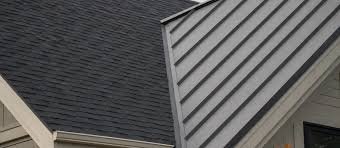
    1. “Metal roofing panels installed on a residential home”
    2. “Asphalt shingle roof close-up showing texture and color”
    3. “Side-by-side comparison of metal and asphalt roofing materials”
  • Signs You Need a Roof Replacement, Not Just a Repair

    Signs You Need a Roof Replacement, Not Just a Repair

    Every homeowner asks the same question when a roof starts acting up: is this a quick patch job, or something bigger? Knowing the actual roof replacement signs saves you from either overspending on an unnecessary full replacement or underspending on a repair that won’t actually solve the problem.

    When Repair Isn’t Enough Anymore

    Quick answer: A roof typically needs full replacement rather than repair when it’s over 20-25 years old, has widespread damage across multiple areas, or has experienced repeated leaks in different locations — patch repairs on an aging roof usually become a losing financial battle.

    A single localized issue is usually repairable. Widespread, recurring problems point toward replacement.

    1. Age of the Roof

    Most asphalt shingle roofs last 20-25 years, while metal roofs can go 40-70 years. If your roof is approaching or past its expected lifespan, repairs become a temporary band-aid rather than a real fix.

    2. Curling or Buckling Shingles

    Shingles that curl at the edges or buckle in the middle are a clear sign of aging and weather damage. A few isolated shingles can be replaced individually, but widespread curling signals the whole roof is deteriorating.

    3. Missing Granules

    • Check your gutters for accumulated granule debris, which looks like coarse sand
    • Granule loss exposes the shingle’s protective layer to sun and moisture damage
    • Widespread granule loss across the roof typically means replacement time, not just a patch

    4. Multiple or Recurring Leaks

    One leak in one spot? Repairable. Leaks appearing in different areas after each rain, despite repeated patch jobs? That’s one of the clearest roof replacement signs there is — the underlying roofing material has likely failed broadly.

    5. Sagging Roof Deck

    This one’s serious. A sagging appearance, when viewed from the ground or attic, often indicates structural damage from prolonged water exposure. Get a professional inspection immediately if you notice this.

    6. Daylight Through the Roof Boards

    If you can see daylight coming through your attic or roof boards, water can get through just as easily. This is a clear, non-negotiable replacement sign.

    7. Moss and Algae Growth

    A little surface moss isn’t necessarily critical, but widespread moss and algae growth suggests moisture retention issues that have likely compromised the roofing material underneath over time.

    8. Rising Energy Bills

    Quick answer: A failing roof can cause noticeable increases in heating and cooling bills because compromised insulation and ventilation let conditioned air escape, forcing HVAC systems to work harder than necessary.

    If your energy bills have crept up without an obvious cause, a deteriorating roof could be part of the reason.

    Repair vs. Replacement Cost Comparison

    1. Minor shingle repair: ₹3,000-10,000 depending on area affected
    2. Partial roof section replacement: ₹30,000-80,000
    3. Full roof replacement: ₹1.5-5 lakh depending on size, material, and roof complexity

    If repair costs are approaching 30-40% of a full replacement cost, replacement is usually the smarter long-term investment.

    Getting a Professional Roof Inspection

    I’ve noticed a lot of homeowners wait until there’s visible water damage inside the house before calling anyone. By then, the damage has usually spread beyond just the roof. An annual inspection catches issues while they’re still cheap to address.

    FAQs

    Q: How do I know if my roof leak needs a repair or full replacement? A single, isolated leak with an otherwise healthy roof usually just needs a repair. Recurring leaks across multiple areas point to replacement.

    Q: How long does a full roof replacement take? Typically 3-7 days for an average-sized home, depending on roof complexity and weather conditions.

    Q: Can I replace just part of my roof? Yes, partial replacement is possible if damage is localized, though matching materials and aging can sometimes look inconsistent.

    Q: What’s the average lifespan of different roofing materials? Asphalt shingles last 20-25 years, metal roofing 40-70 years, and concrete tiles 50+ years with proper maintenance.

    Q: Does home insurance cover roof replacement? Often partially, particularly for storm or weather-related damage — check your specific policy terms, as coverage varies significantly.

    Conclusion

    Spotting these roof replacement signs early gives you options — plan a proper replacement on your terms, rather than dealing with an emergency after a storm causes serious interior damage. When in doubt, get a professional inspection; it’s far cheaper than guessing wrong.

    Suggested Alt Text:

    1. “Curling and damaged shingles on an aging roof”
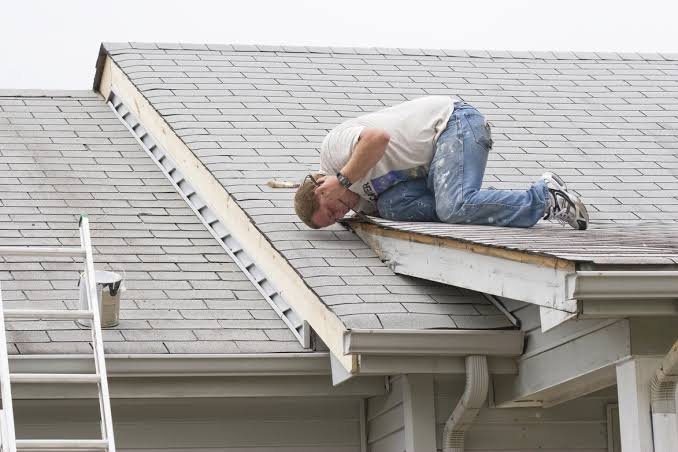
    2. “Roofing contractor inspecting shingles for replacement signs”
    3. “Close-up of missing granules and worn roofing material”