Water is one of those things most of us take for granted until something feels wrong. Maybe soap refuses to lather properly, white marks keep appearing on bathroom taps, or a glass of drinking water has an unpleasant taste. These little frustrations can make everyday routines harder than they need to be. Sometimes the issue is simply the natural mineral content of the local water supply. In other cases, unwanted substances or changes in water quality may be responsible.
The good news is that understanding your water is the first step toward improving it. With the right information and equipment, homeowners can make practical decisions that support cleaner fixtures, better-tasting drinking water, and more reliable performance from household appliances. The key is choosing a solution that addresses the actual problem rather than buying a system based on guesswork.
Understanding What Is in Your Water
Water quality can vary considerably from one neighborhood to another. Groundwater may contain naturally occurring minerals, while municipal supplies are treated to meet drinking water standards. However, even treated water can develop taste or odor issues, and its mineral content may still affect how it behaves around the house.
Hard water is a common example. It contains elevated levels of calcium and magnesium, which can leave chalky deposits on faucets, showerheads, glassware, and other surfaces. Over time, these minerals may contribute to scale inside water heaters, pipes, and appliances. The result can be more cleaning, reduced efficiency, and frustration over stains that seem to return almost immediately.
Other concerns require a different approach. Sediment can make water look cloudy, while certain dissolved substances can affect taste or odor. Testing helps distinguish between these issues and identifies whether treatment is necessary. A simple observation may offer clues, but laboratory analysis or an appropriate certified test is more reliable when a specific contaminant is suspected.
Why Hard Water Needs a Targeted Solution
Hard water isn’t usually an emergency, but it can be an expensive nuisance when left unmanaged. Mineral deposits may accumulate on heating elements and plumbing components, and people often use extra soap or detergent to get the results they expect. Clothes may feel stiff after washing, and shower screens can become difficult to keep clear.
For households dealing with these problems, water softener systems can offer a practical way to reduce hardness. Many conventional systems use ion exchange, replacing calcium and magnesium ions with sodium or potassium ions. The result is softer water that is less likely to produce the familiar mineral scale.
Still, a softener isn’t the right answer for every water concern. It is designed primarily to address hardness, not to remove every possible contaminant or automatically improve every aspect of drinking water. Depending on the system, salt or potassium replenishment and periodic maintenance may also be required.
Before choosing a unit, consider household size, daily water use, the measured hardness level, and the space available for installation. A system that is too small may struggle during periods of heavy demand, while an oversized unit can add unnecessary expense. A qualified water treatment professional can help match equipment to actual conditions.
Treating Water Throughout the House
Softening and filtration are often discussed together, but they serve different purposes. A softener targets hardness minerals, whereas a filter reduces selected particles or substances according to its design. Understanding that distinction makes it easier to build a treatment setup that works as intended.
Whole-home water filtration treats water as it enters the property, helping address suitable water-quality concerns across multiple outlets. Depending on the filter media and system configuration, it may reduce sediment, chlorine taste and odor, or other specifically targeted substances. Not every filter removes the same things, so the manufacturer’s performance claims and independent certification details matter.
For example, a household troubled by sediment may need a different filter from one that wants to reduce chlorine-related taste and odor. Water containing iron or other troublesome minerals may require specialized treatment rather than a basic cartridge filter. There is no universal system that solves every problem equally well.
Whole-house equipment can be especially useful when the concern affects showers, laundry, fixtures, and appliances—not just drinking water. However, it should be selected after testing, because unnecessary treatment adds cost and can make maintenance more complicated than it needs to be.
Getting Better-Tasting Drinking Water
Water that looks clear isn’t necessarily free of every substance people may want to reduce. Taste and odor can also influence whether family members drink enough water throughout the day. If tap water has an unpleasant flavor, some households turn to bottled water, which can become expensive and create additional plastic waste.
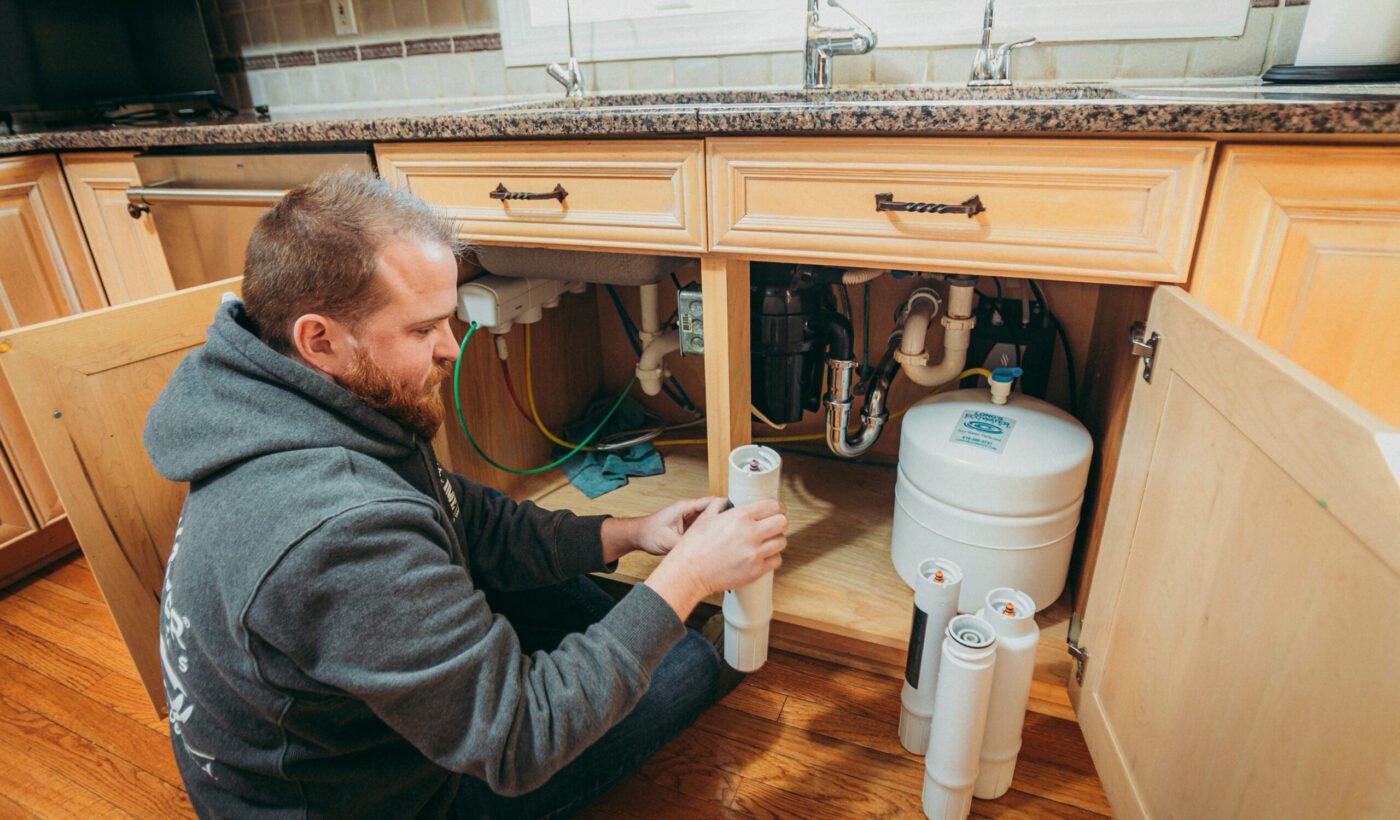
Reverse osmosis drinking water systems are one option for treating water at a dedicated drinking-water tap. These systems use a semipermeable membrane to reduce many dissolved substances, with performance depending on the particular unit and the water entering it. They commonly include prefilters and may use a postfilter to improve the final taste.
Reverse osmosis can be useful when testing identifies substances that the selected system is certified to reduce. It is not automatically necessary for every home, though. Some water supplies already meet relevant standards and taste perfectly acceptable, while other concerns may be better handled by a simpler treatment method.
Before installation, check the system’s contaminant-reduction claims, replacement-filter costs, water-use characteristics, and maintenance requirements. Some units also produce reject water during filtration, so efficiency is worth considering. A well-chosen system should fit your household’s needs rather than become another appliance that is expensive to maintain.
Maintenance Is Part of Water Treatment
Even good equipment needs attention. Filters gradually collect particles or lose effectiveness, softeners need the appropriate replenishment and settings, and reverse osmosis membranes may require eventual replacement. Ignoring maintenance can reduce performance and leave homeowners unsure whether the system is still doing its job.
Keep a record of installation dates, filter changes, service visits, and any changes in water taste or appearance. Follow the manufacturer’s maintenance schedule instead of waiting for an obvious problem. If the system has a service indicator, treat it as a useful reminder, not a reason to ignore other warning signs.
It’s also wise to retest water when circumstances change. A new well, plumbing renovation, unusual discoloration, or sudden change in taste can justify further investigation. For private wells, testing at intervals recommended by local health authorities is particularly important because water quality can change without visible warning.
Making a Sensible Investment
Water treatment doesn’t have to mean installing several expensive devices at once. Start with the concern that matters most, whether it’s scale, sediment, or drinking-water taste. Test the water, compare suitable treatment methods, and consider both the purchase price and the long-term costs of filters, salt, servicing, and water use.
Ask suppliers for clear explanations of what their equipment removes and what it does not. Independent certifications can help verify specific performance claims. Be cautious of dramatic sales pitches that rely on fear or promise that one product will solve every water-quality problem.
A dependable solution should be easy to understand, properly sized, and supported by a realistic maintenance plan. It should also be based on evidence about your water rather than assumptions about what might be wrong.
A Better Routine Starts With Better Information
Good water makes daily life a little easier. Glasses look clearer, showers become less frustrating, and drinking water may taste more appealing. Those improvements are worthwhile, but the best results come from choosing treatment for a clear reason.
Start by finding out what is in your water and deciding which issues genuinely need attention. Then select equipment that matches those findings and keep it maintained. Whether the answer involves softening, filtration, or a dedicated drinking-water unit, an informed decision is far more useful than buying the most complicated system available.
In the end, water treatment is not about chasing perfection. It’s about making water work better for your home, your budget, and the everyday routines that matter.