Every homeowner asks the same question when a roof starts acting up: is this a quick patch job, or something bigger? Knowing the actual roof replacement signs saves you from either overspending on an unnecessary full replacement or underspending on a repair that won’t actually solve the problem.
When Repair Isn’t Enough Anymore
Quick answer: A roof typically needs full replacement rather than repair when it’s over 20-25 years old, has widespread damage across multiple areas, or has experienced repeated leaks in different locations — patch repairs on an aging roof usually become a losing financial battle.
A single localized issue is usually repairable. Widespread, recurring problems point toward replacement.
1. Age of the Roof
Most asphalt shingle roofs last 20-25 years, while metal roofs can go 40-70 years. If your roof is approaching or past its expected lifespan, repairs become a temporary band-aid rather than a real fix.
2. Curling or Buckling Shingles
Shingles that curl at the edges or buckle in the middle are a clear sign of aging and weather damage. A few isolated shingles can be replaced individually, but widespread curling signals the whole roof is deteriorating.
3. Missing Granules
- Check your gutters for accumulated granule debris, which looks like coarse sand
- Granule loss exposes the shingle’s protective layer to sun and moisture damage
- Widespread granule loss across the roof typically means replacement time, not just a patch
4. Multiple or Recurring Leaks
One leak in one spot? Repairable. Leaks appearing in different areas after each rain, despite repeated patch jobs? That’s one of the clearest roof replacement signs there is — the underlying roofing material has likely failed broadly.
5. Sagging Roof Deck
This one’s serious. A sagging appearance, when viewed from the ground or attic, often indicates structural damage from prolonged water exposure. Get a professional inspection immediately if you notice this.
6. Daylight Through the Roof Boards
If you can see daylight coming through your attic or roof boards, water can get through just as easily. This is a clear, non-negotiable replacement sign.
7. Moss and Algae Growth
A little surface moss isn’t necessarily critical, but widespread moss and algae growth suggests moisture retention issues that have likely compromised the roofing material underneath over time.
8. Rising Energy Bills
Quick answer: A failing roof can cause noticeable increases in heating and cooling bills because compromised insulation and ventilation let conditioned air escape, forcing HVAC systems to work harder than necessary.
If your energy bills have crept up without an obvious cause, a deteriorating roof could be part of the reason.
Repair vs. Replacement Cost Comparison
- Minor shingle repair: ₹3,000-10,000 depending on area affected
- Partial roof section replacement: ₹30,000-80,000
- Full roof replacement: ₹1.5-5 lakh depending on size, material, and roof complexity
If repair costs are approaching 30-40% of a full replacement cost, replacement is usually the smarter long-term investment.
Getting a Professional Roof Inspection
I’ve noticed a lot of homeowners wait until there’s visible water damage inside the house before calling anyone. By then, the damage has usually spread beyond just the roof. An annual inspection catches issues while they’re still cheap to address.
FAQs
Q: How do I know if my roof leak needs a repair or full replacement? A single, isolated leak with an otherwise healthy roof usually just needs a repair. Recurring leaks across multiple areas point to replacement.
Q: How long does a full roof replacement take? Typically 3-7 days for an average-sized home, depending on roof complexity and weather conditions.
Q: Can I replace just part of my roof? Yes, partial replacement is possible if damage is localized, though matching materials and aging can sometimes look inconsistent.
Q: What’s the average lifespan of different roofing materials? Asphalt shingles last 20-25 years, metal roofing 40-70 years, and concrete tiles 50+ years with proper maintenance.
Q: Does home insurance cover roof replacement? Often partially, particularly for storm or weather-related damage — check your specific policy terms, as coverage varies significantly.
Conclusion
Spotting these roof replacement signs early gives you options — plan a proper replacement on your terms, rather than dealing with an emergency after a storm causes serious interior damage. When in doubt, get a professional inspection; it’s far cheaper than guessing wrong.
Suggested Alt Text:
- “Curling and damaged shingles on an aging roof”
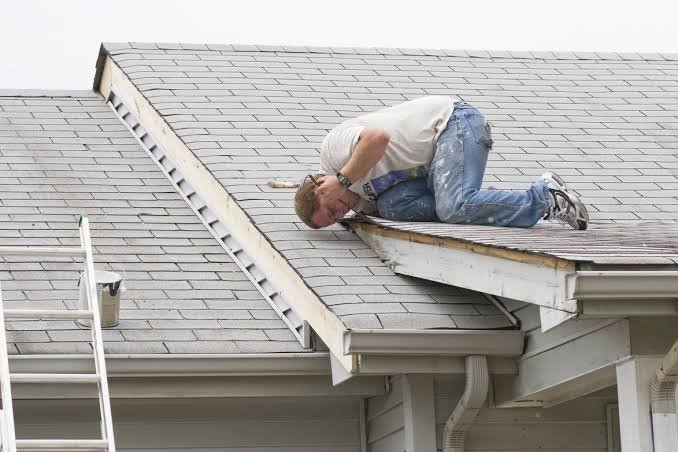
- “Roofing contractor inspecting shingles for replacement signs”
- “Close-up of missing granules and worn roofing material”