Design trends move fast, and honestly, not all of them are worth chasing. But some of the 2026 home design trends genuinely reflect how people are living differently — more time at home, more focus on comfort, a shift away from overly minimal, sterile spaces.
Here’s what’s actually showing up in real homes this year, not just design magazine spreads.
What’s Driving 2026 Home Design Trends
Quick answer: 2026 home design trends are largely driven by a shift toward warmth and comfort over strict minimalism, increased demand for multi-functional spaces due to hybrid work, and growing interest in sustainable, natural materials.
People want their homes to feel lived-in and personal again, not like a showroom.
1. Warm Minimalism
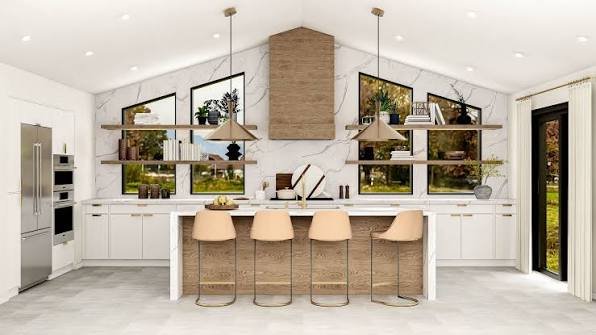
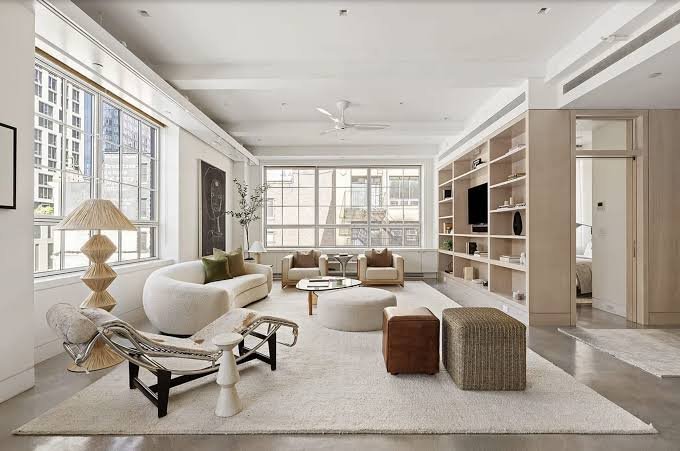
Pure, stark minimalism is softening into something warmer — still clean and uncluttered, but with texture, warm wood tones, and softer color palettes replacing the cold, all-white aesthetic that dominated for years.
2. Curved Furniture and Architecture
Sharp, angular lines are giving way to curved sofas, rounded arches, and organic shapes throughout homes. It’s a noticeable shift that adds softness and visual interest to otherwise simple rooms.
3. Earthy, Nature-Inspired Color Palettes
- Terracotta and warm clay tones for accent walls and decor
- Sage and olive greens replacing the cooler, grayer greens of recent years
- Warm neutrals like caramel and butter yellow adding subtle color without overwhelming a space
4. Multi-Functional Rooms
With hybrid work now firmly normalized, homes need spaces that flex between work, rest, and social use. A guest room that doubles as a home office, or a living room with a discreet work nook, reflects this practical shift in 2026 home design trends.
5. Sustainable and Natural Materials
- Reclaimed wood furniture and flooring
- Natural fiber rugs like jute and sisal
- Low-VOC and eco-friendly paint options becoming mainstream, not niche
6. Statement Lighting
Lighting has moved beyond purely functional into genuine design statement territory — sculptural pendant lights, oversized fixtures, and layered lighting setups are showing up even in modest-budget homes.
7. Vintage and Antique Mixing
Rather than fully furnishing with new pieces, more homeowners are mixing in vintage or antique finds for character. It’s a reaction against the overly matched, catalog-perfect look of previous years.
8. Biophilic Design Elements
Quick answer: Biophilic design incorporates natural elements — plants, natural light, organic materials, and views of greenery — into home interiors, based on research showing these elements genuinely improve mood and reduce stress.
Expect to see more indoor plants, larger windows where structurally possible, and materials that mimic or incorporate natural textures throughout 2026 homes.
9. Textured Walls
Plain flat paint is being complemented (not fully replaced) by textured wall treatments — limewash finishes, textured plaster, and grasscloth wallpaper adding depth without needing bold color.
Trends Fading Out in 2026
I’ve noticed a few things losing steam this year, worth mentioning for contrast:
- All-white, sterile minimalist kitchens are softening into warmer tones
- Overly matched furniture sets are giving way to more curated, mixed pieces
- Cold gray-dominated palettes are shifting toward warmer neutrals across the board
FAQs
Q: Are 2026 home design trends expensive to follow? Not necessarily — many trends like warm minimalism and vintage mixing can be achieved with existing furniture and small, strategic additions.
Q: Is minimalism completely out of style in 2026? No, it’s evolving rather than disappearing — warm minimalism keeps the clean, uncluttered feel but adds texture and warmth.
Q: What color is trending most in 2026 home design? Earthy, warm tones like terracotta, sage green, and warm neutrals are dominating over the cooler grays of recent years.
Q: Should I fully redecorate to match current trends? Not recommended — incorporate trend elements gradually through accents and smaller pieces rather than a full overhaul.
Q: How long do interior design trends typically last? Major trends usually influence homes for 3-5 years before evolving, though some elements become lasting design staples.
Conclusion
These 2026 home design trends reflect a broader shift toward comfort, warmth, and personal character over sterile perfection. You don’t need to overhaul your entire home to embrace them — a few thoughtful updates in color, texture, or furniture can bring your space right up to date.
Suggested Alt Text:
- “Warm minimalist living room with curved sofa and earthy tones”
- “Sculptural statement pendant light over a dining table”
- “Living room featuring natural materials and biophilic design elements”