Water quality affects more of daily life than most people realize. It influences how well soap lathers, whether your coffee tastes the way it should, how often you clean mineral deposits from the bathroom, and even how long certain household appliances last. When something feels off, it is tempting to buy the first filter that promises better water. But a little research can save money and prevent a lot of frustration.
Every home has its own water conditions. Some properties receive treated municipal water, while others depend on private wells. One household may struggle with hard water, another with sediment, and another may simply want to improve the taste of its drinking water. The right solution begins with understanding these differences instead of assuming one product can fix everything.
Start With the Water You Actually Have
Before comparing equipment, take a closer look at the symptoms around your home. White scale on faucets often points toward hard water. Reddish stains may indicate iron, while cloudy water could be associated with suspended particles, tiny air bubbles, or other conditions. An unusual taste or smell can have several possible causes, so appearance alone should never be treated as a reliable safety test.
A water test can help turn these observations into useful information. Depending on your water source and concerns, testing may measure hardness, iron, pH, nitrate, bacteria, or other substances. Private well owners should arrange regular testing because groundwater quality can change over time. If you receive municipal water, your supplier’s water quality report can provide helpful background, although conditions inside your home’s plumbing may still deserve attention.
Understanding the results makes it easier to choose water treatment systems that address specific needs. A filter intended to improve taste, for example, is not necessarily designed to soften water or remove every contaminant. Likewise, a softener can reduce hardness minerals but should not be mistaken for a complete drinking-water purification system.
This distinction matters. The goal isn’t to install as much equipment as possible. It is to select the treatment that makes a meaningful difference in your home.
When Traditional Water Softening Makes Sense
Hard water is a common nuisance, especially in areas where groundwater contains higher concentrations of calcium and magnesium. These minerals can leave deposits on showerheads, reduce soap lather, and create a chalky film on dishes. If the problem is severe, scale can also build up inside water-using appliances.
Traditional ion-exchange softeners address hardness by exchanging calcium and magnesium ions for other ions, commonly sodium. They can be particularly useful for households that regularly deal with mineral buildup and want to make cleaning less demanding.
However, a water softener is not always necessary. If your water is already relatively soft, installing one may provide little practical benefit. Testing the hardness level first helps determine whether the investment makes sense.
Homeowners should also consider maintenance. Many conventional softeners require salt replenishment and periodic checks to ensure regeneration is working properly. The size of the unit matters, too. A system must be able to handle the household’s water use without being unnecessarily large or inefficient.
Are Salt-Free Systems Worth Considering?
Not every homeowner wants a conventional softener. Some prefer to avoid adding sodium through the softening process, while others want to explore alternatives that require less routine attention. This is where salt-free systems may enter the conversation.
Salt-free treatment products generally do not soften water through the same ion-exchange process used by traditional softeners. Some are designed to condition water and reduce the tendency of hardness minerals to form stubborn scale. Their performance depends on the technology, the water chemistry, and the conditions in which they operate.
That difference is important because conditioned water is not necessarily softened water. Calcium and magnesium may remain in the water, even when a treatment system helps manage scale formation. As a result, users may still notice some of the characteristics associated with hard water, including differences in soap performance.
These systems can be worth investigating when scale control is the main concern, but expectations should remain realistic. Ask the supplier what the equipment is designed to do, which conditions it has been tested under, and whether independent performance data is available. If your primary goal is to reduce water hardness itself, compare the results with those of a conventional softener before deciding.
When a More Specialized Solution Is Needed
Some water conditions require more than basic filtration or hardness treatment. Elevated iron, manganese, certain dissolved contaminants, and unusual pH levels may call for specific treatment methods. In these situations, choosing equipment based on general advertising claims can lead to disappointing results.
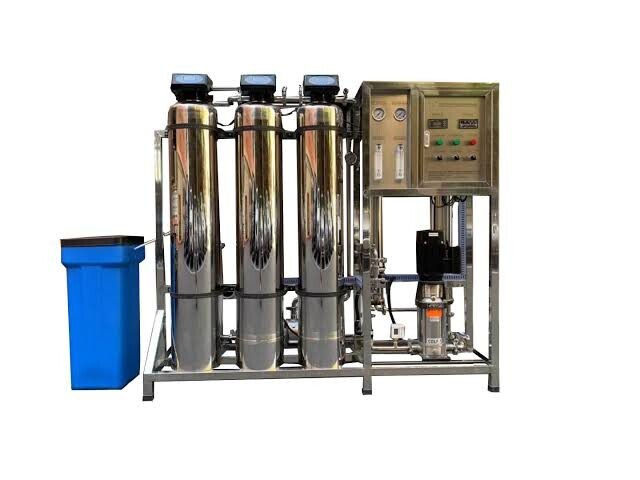
Specialty systems are designed for particular water-quality challenges. Depending on the issue, treatment may involve oxidation and filtration for iron, activated carbon for certain taste and odor concerns, ultraviolet disinfection for appropriate microbiological applications, or reverse osmosis for reducing selected dissolved substances.
Each technology has its own strengths and limitations. Ultraviolet disinfection, for instance, requires suitable operating conditions and does not remove dissolved minerals. Reverse osmosis can reduce many dissolved substances, but the exact results depend on the system’s design, water conditions, and maintenance. Iron treatment also varies depending on whether the iron is dissolved or present as visible particles.
A water professional can help interpret test results and determine whether pretreatment is needed. This is especially useful when several issues occur together. High iron, for example, can affect the performance of some treatment equipment, so addressing the sequence of treatment steps may be just as important as selecting the equipment itself.
Look Beyond the Initial Price
Equipment cost is only one part of the decision. Installation, replacement filters, salt, electricity, servicing, and possible plumbing modifications can all influence the total expense over time.
Before buying, ask for a clear explanation of the ongoing costs. Find out how frequently components need replacement, whether the system requires a drain connection, and what happens if water use increases. Check the warranty terms and confirm whether installation and future maintenance are included in the quoted price.
It is also worth comparing the actual capacity of different models. A system that works well for a small household may struggle in a larger home with several bathrooms and frequent laundry loads. On the other hand, purchasing equipment with far more capacity than you need may not offer better value.
Good advice should account for your water test results, household size, plumbing layout, and budget. If a supplier recommends an expensive system without asking about these factors, consider getting another opinion.
Maintenance Keeps Performance on Track
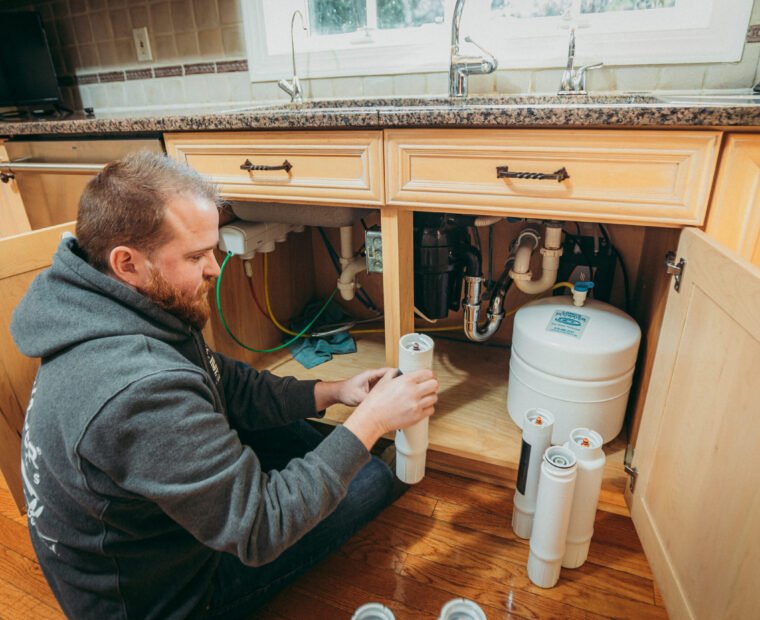
Even a well-chosen system needs attention. Filters can become clogged, treatment media may lose effectiveness, and softeners need the correct maintenance to keep operating as intended. Ignoring service schedules can reduce performance and sometimes create additional problems.
Keep a simple record of filter changes and service visits. Watch for changes in water pressure, taste, odor, or visible staining. These signs do not always mean the treatment system has failed, but they are good reasons to investigate.
Follow the manufacturer’s instructions rather than relying on a fixed replacement schedule that may not match your water use. Some filters last longer than others, and actual service life can depend on the amount of material they remove.
Make a Decision That Fits Your Household
Choosing a water treatment solution becomes much easier when you start with evidence instead of assumptions. Test the water, identify the problems that matter most, and compare systems based on their proven capabilities.
A traditional softener may be the best choice for significant hardness. A salt-free conditioner may suit a household focused on scale management. A specialized treatment system may be necessary when testing reveals a more specific concern. Sometimes, a combination of technologies is appropriate, but it should be selected for a clear reason.
Good water treatment is ultimately about solving real problems without adding unnecessary complexity. Take the time to ask questions, understand the maintenance requirements, and choose equipment suited to your home’s conditions. That thoughtful approach can help protect your investment and make everyday life a little easier, one glass of water at a time.