There’s a persistent myth that good design requires a big budget. It doesn’t. I’ve seen beautifully decorated homes furnished almost entirely from thrift finds and clever DIY projects. Learning how to decorate on a budget is really about prioritizing where to spend and where to get creative instead.
The Mindset Shift Behind Budget Decorating
Quick answer: Successful budget decorating focuses spending on a few high-impact items — like a statement piece or good lighting — while filling the rest of the space with affordable, thrifted, or DIY elements that still feel cohesive.
You don’t need everything to be expensive. You need everything to look intentional.
1. Start With a Cohesive Color Palette
Before buying anything, settle on 2-3 main colors for the space. This single decision instantly makes even mismatched, budget-friendly furniture look pulled-together rather than random.
2. Shop Secondhand and Thrift
- Local thrift stores and online marketplaces often have quality furniture at a fraction of retail price
- Look for solid wood pieces that just need a fresh coat of paint or new hardware
- Estate sales and garage sales can be genuine goldmines for unique, character-filled pieces
3. Prioritize a Few Statement Pieces
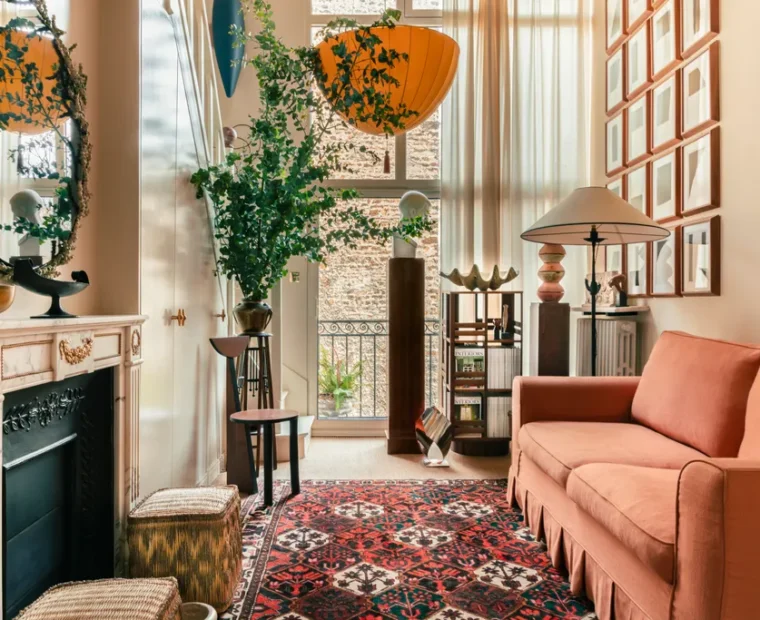
Instead of spreading your budget thin across everything, put more money into one or two pieces that genuinely make an impact — a great sofa, a striking light fixture, an interesting rug — and keep everything else simple and affordable.
4. DIY Where It Makes Sense
- Repainting old furniture instead of replacing it
- Making your own art with canvas and paint, or simple framed prints
- Reupholstering a chair yourself with fabric from a local market
5. Use What You Already Have Differently
Has this ever happened to you — you buy something new, only to realize you already owned something similar that just needed repositioning? Before shopping, walk through your home and see what could be repurposed or moved to a new spot for a fresh look.
6. Invest in Good Lighting
Lighting genuinely transforms a space more than people realize, and it doesn’t have to be expensive. Swapping harsh overhead bulbs for warm-toned lamps instantly makes a budget room feel cozier and more considered.
7. Add Greenery
Plants are one of the most affordable ways to add life and color to a room. Even budget-friendly options like pothos or snake plants make a noticeable difference, and they’re genuinely hard to kill if you’re not naturally green-thumbed.
8. Mix High and Low
Quick answer: The most effective way to decorate on a budget while still looking stylish is mixing a few higher-quality investment pieces with affordable basics — the eye is drawn to quality, not price tags, when the overall composition feels intentional.
Nobody can tell that your side table cost ₹500 if it’s sitting next to a nice lamp and styled thoughtfully.
9. Don’t Rush the Process
Budget decorating often works best over time rather than all at once. Buying pieces gradually, as you find good deals, usually results in a more curated, personal space than furnishing everything in a single rushed shopping trip.
FAQs
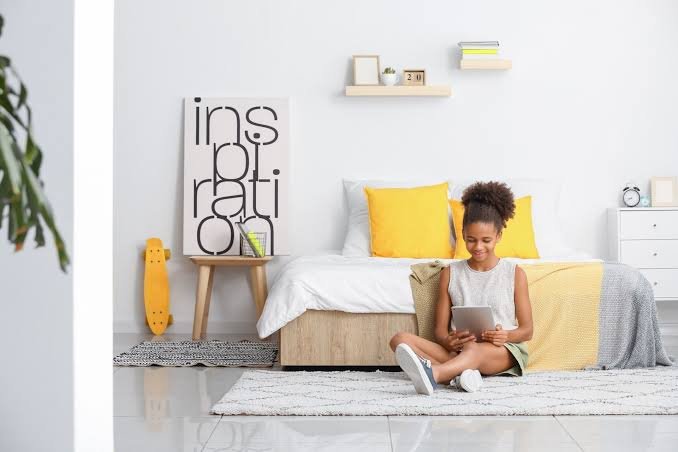
Q: What’s the cheapest way to instantly update a room? New throw pillows, a fresh coat of paint on one accent wall, or rearranging existing furniture — all essentially free or very low-cost changes.
Q: Is thrifted furniture actually good quality? Often surprisingly so — older secondhand furniture is frequently made from solid wood, which tends to be sturdier than some budget new furniture options.
Q: How much should I budget to decorate a room? This varies widely, but a reasonable starting budget for a full room refresh using these tips is ₹15,000-40,000, depending on room size and existing furniture.
Q: Should I buy cheap furniture or save for quality pieces? A mix works best — save for a few key pieces you’ll use daily (like a sofa), and go budget on items that see less wear or get replaced more often.
Q: Does decorating on a budget take more time than just buying everything new? Generally yes, since thrifting and DIY projects take patience, but the result often feels more personal and unique than an instantly furnished, all-new room.
Conclusion
Knowing how to decorate on a budget really comes down to strategic spending and a willingness to get a little creative. Start with a clear color palette, invest in one or two statement pieces, and fill in the rest thoughtfully — your home will look far more expensive than it actually was.
Suggested Alt Text:
- “Budget-friendly living room decorated with thrifted furniture”
- “Repainted secondhand chair as a DIY decorating project”
- “Cozy room styled with warm lighting and affordable decor accents”