Small apartments get a bad reputation they don’t always deserve. With the right approach, a compact room can feel open and intentional rather than cramped. These small space decorating ideas come from actually living in a fairly tiny apartment for three years — not just theory from a design blog.
The Core Principle Behind Small Space Decorating
Quick answer: Small space decorating relies on maximizing perceived openness through light colors, multi-functional furniture, strategic mirrors, and vertical storage — creating visual breathing room even when actual square footage is limited.
It’s less about fitting less stuff in, and more about being intentional with what you do include.
1. Use Light, Reflective Colors
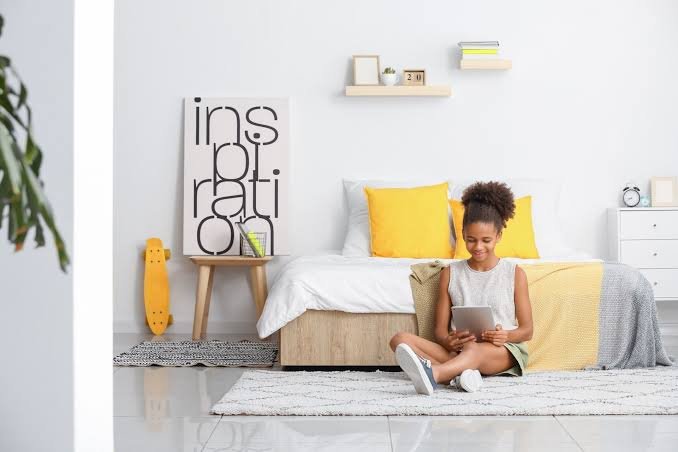
Light wall colors — soft whites, pale grays, gentle pastels — bounce light around a room and make it feel more open. Dark colors aren’t off-limits entirely, but they work better as accents than dominant wall colors in small spaces.
2. Multi-Functional Furniture
- Storage ottomans that double as seating and hidden storage
- Sofa beds for spaces that need to serve as both living room and guest room
- Extendable dining tables that expand only when needed
3. Mirrors, Strategically Placed
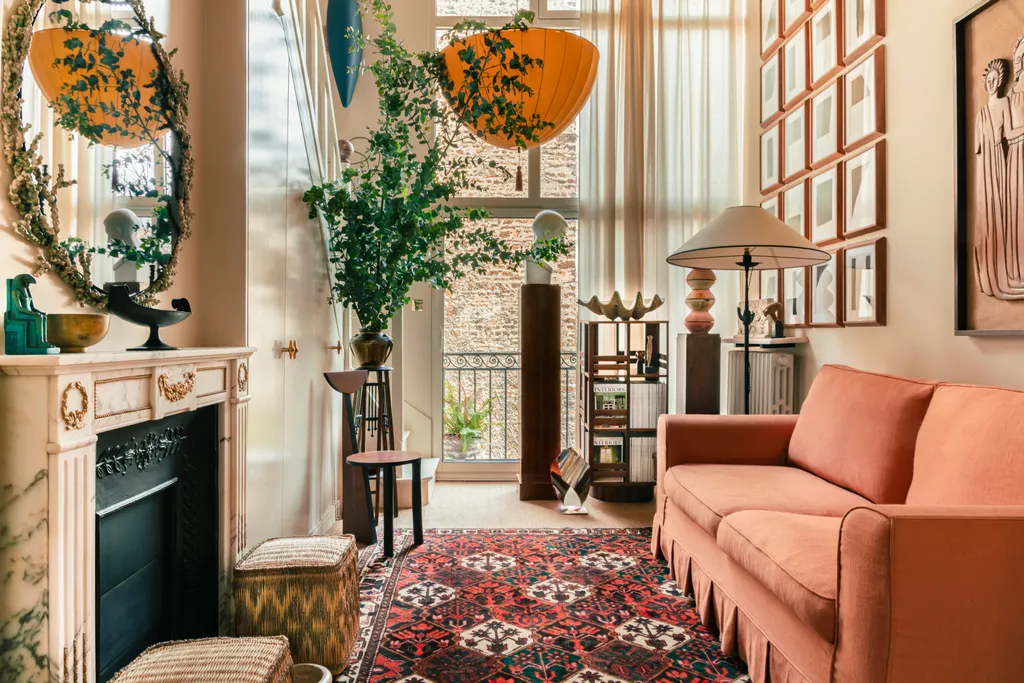
This is probably the single most effective trick on this list of small space decorating ideas. A large mirror positioned to reflect natural light or an interesting view can genuinely make a room feel twice its actual size.
4. Vertical Storage Solutions
- Floor-to-ceiling shelving draws the eye upward, making ceilings feel higher
- Wall-mounted cabinets keep floor space clear and open
- Hanging organizers in closets maximize vertical space that’s often wasted
5. Choose Furniture With Visible Legs
Furniture that sits flush to the floor blocks sightlines and makes a room feel more cluttered. Pieces with exposed legs let light and visual space flow underneath, creating an airier feel even with the same amount of furniture.
6. Limit Furniture to Essentials
Has this ever happened to you — you keep adding “just one more” small side table or chair until the room feels stuffed? In small spaces, every piece needs to earn its spot. Fewer, well-chosen pieces almost always look better than a room packed with mismatched furniture.
7. Use Curtains to Create Height Illusion
Hanging curtains close to the ceiling, rather than right above the window frame, tricks the eye into perceiving taller walls and a bigger room overall. It’s a small change that makes a surprisingly noticeable difference.
8. Create Zones Without Walls
Quick answer: In studio or open-plan small spaces, use area rugs, furniture arrangement, and lighting to visually separate zones like sleeping, working, and living areas without needing physical walls or dividers.
Rugs are particularly effective here — a different rug under the sofa versus under the dining table clearly signals different “zones” even in one open room.
9. Declutter Ruthlessly
Small spaces show clutter far more obviously than large ones. Regular decluttering isn’t just about tidiness — it directly affects how spacious a small room actually feels day to day. [link to related deep cleaning checklist here]
FAQs
Q: Do dark colors always make small rooms look smaller? Not necessarily — used thoughtfully as an accent or with good lighting, dark colors can add depth without shrinking the perceived space.
Q: What’s the biggest small space decorating mistake? Overcrowding with too much furniture, often out of a desire to fill every corner rather than leaving intentional breathing room.
Q: Are area rugs necessary in small spaces? They’re helpful for zoning open spaces and adding warmth, though choosing an appropriately sized rug matters more than in larger rooms.
Q: How do mirrors actually make rooms feel bigger? They reflect light and views, creating a visual illusion of depth and openness that genuinely changes how spacious a room feels.
Q: Should small spaces avoid patterns and bold prints? Not entirely — a few well-placed bold accents can add personality without overwhelming, as long as the overall palette stays cohesive.
Conclusion
These small space decorating ideas prove that square footage isn’t the only thing that determines how a room feels. Thoughtful color choices, smart furniture, and a few well-placed mirrors can make even a genuinely tiny room feel open and welcoming.
Suggested Alt Text:
- “Small living room with light-colored walls and multi-functional furniture”
- “Large mirror reflecting natural light in a compact apartment”
- “Floor-to-ceiling shelving maximizing vertical storage in a small room”